

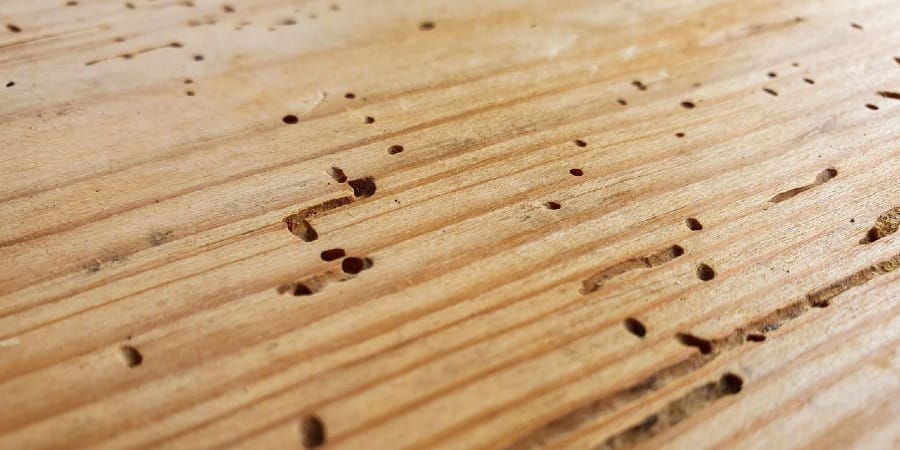

What do you do in the very unlikely event you unwrap a length of moulding and find something like this, or a customer returns a frame that shows sign of woodworm?:
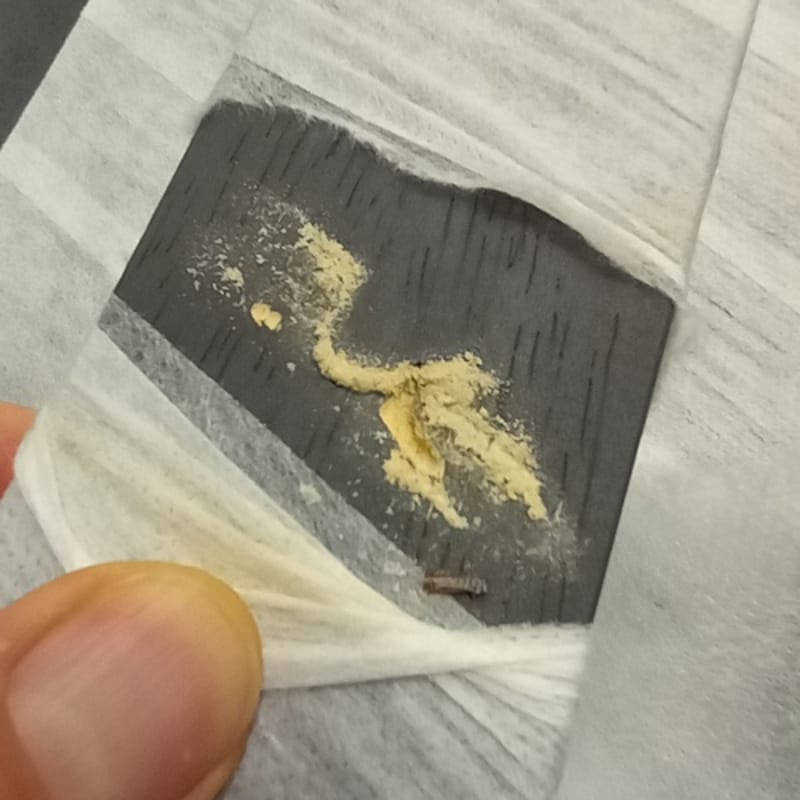
Although both we and our suppliers do everything we can to ensure our mouldings are free of woodworm, nobody can absolutely guarantee this - we encounter a couple of instances of woodworm each year.
Finding evidence of woodworm is alarming - but don't panic! We're not dealing with termites here. Woodworm need very specific conditions to exit the timber, survive and infest another piece of timber, so the chances you've got a problem are extremely small.
The woodworm very occasionally found in picture frame moulding has been identified as powder-post beetle (Lyctus brunneus). In the UK it was only really seen between May and September when weather was warm, but as our climate is changing (and as finished products will be indoors with consistent temperatures) it can be found at almost any time of year.
Powder-post beetle originates in tropical climates where timber such as Ayous is grown. It can have a long life cycle, taking an average of one and up to five years from the time eggs are laid for an adult beetle to emerge and bore its way out. This is when you see exit holes, sawdust / frass (woodworm poo), and maybe a tiny brown beetle (probably dead).
The female powder-post beetle can only lay her eggs in the early wood vessels of wide pored hard woods, and even then she will only do so if the starch content is at least 3% and the moisture content is relatively high - above 10%. These conditions are only present in the sapwood of hard wood species such as Ayous, Oak and Ash - infestations cannot occur in soft woods such as Pine and Spruce, or in the heartwood of hard woods.
All the timber used to make our mouldings is kiln-dried to a moisture content of 10% or less and most is then chemically treated; this greatly reduces the likelihood that live woodworm can emerge or of reinfestation - but can't completely eliminate it.
So what should you do?
The first step is to check whether live woodworm have recently emerged from the moulding, or if you're looking at holes from an old infestation.
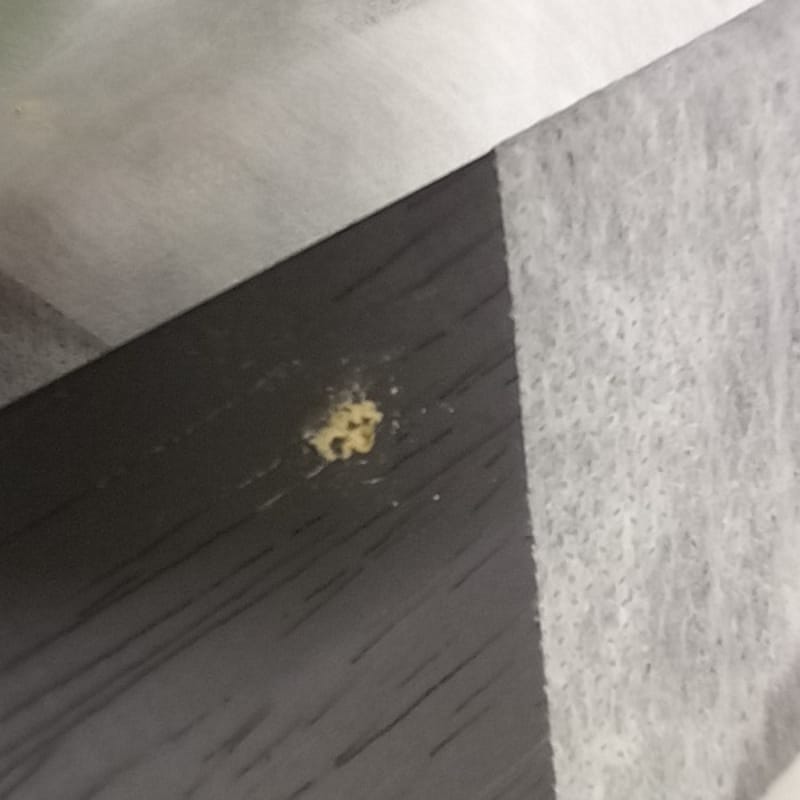
The most obvious signs of live woodworm are: fresh exit holes, sighting the adult beetle, and sawdust / frass - especially if you tap the moulding.
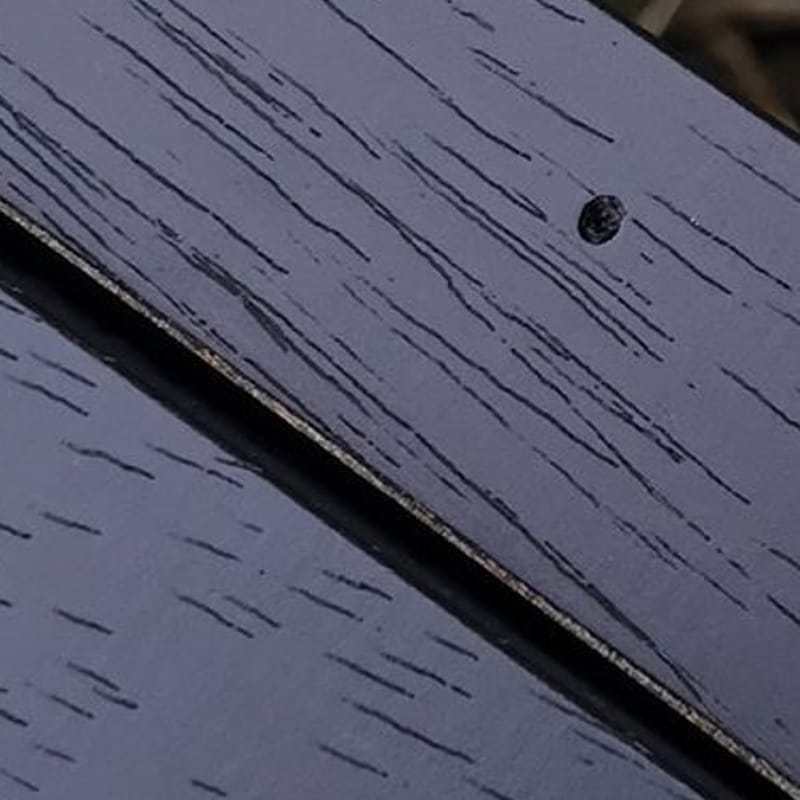
Moulding will sometimes have exit holes from woodworm that emerged long before it was made into moulding. These holes are usually filled in the production process, but if not they will usually be dark in colour with no live beetle or frass nearby.
If the moulding came from LION let us know, so we can inspect the rest of the batch. The general advice is to dispose of the moulding in question and check your stock for any other signs of infestation. It is good practice to ensure your stock is stored.
Whether you want to mention it to your customers is up to you - but do bear in mind that infestations can only occur in bare, unfinished sapwood of hard wood mouldings, with starch above 3% and moisture content above 10% (starch and moisture both decline naturally as wood ages); it's a very specific set of circumstances and not something we've ever come across.